The history of note taking
Who was the first person to take notes?
We do not know who first took notes. Some of the earliest surviving written records come from southern Mesopotamia, where people recorded economic information on clay tablets around 3300 BCE. These records show how people kept track of goods and quantities, but they do not identify a single inventor of note-taking. The Metropolitan Museum of Art explains these early tablets and their use as memory aids.
From clay records and wax tablets to paper notebooks and digital apps, people have used notes to keep information beyond what they can remember. The tools have changed over time, making notes easier to carry, revise and share.
The Early History of Note-Taking
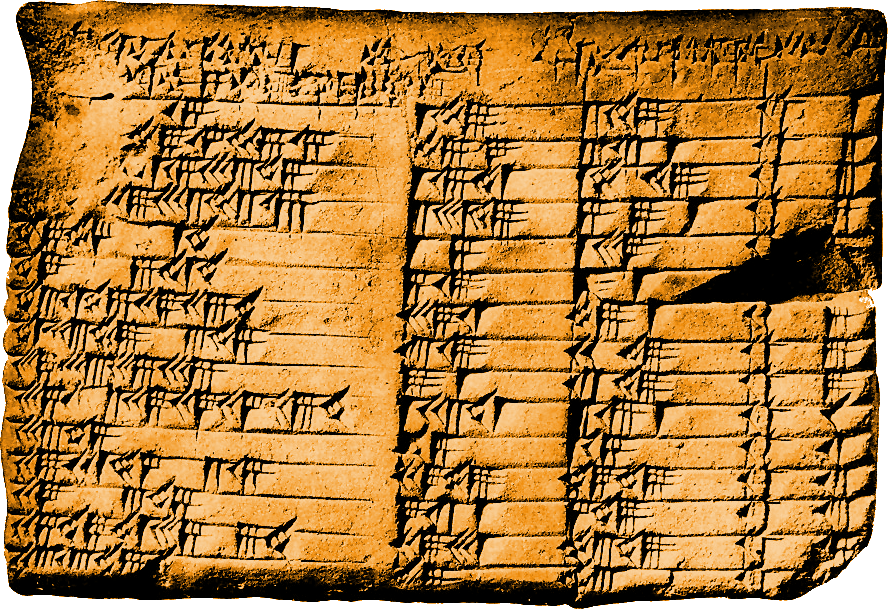
Long after the earliest Mesopotamian records, Greeks and Romans used wax tablets for writing. These tablets were portable, and their wax surfaces could be smoothed and reused, making them useful for temporary notes.
The invention of paper in China during the Han dynasty (206 BCE to 220 CE) revolutionized the way people took notes. It allowed them to write down their thoughts and ideas more easily and keep a record of their observations. The Chinese also developed ink and brush pens, which allowed for more expressive and efficient writing.
In the Middle Ages, note-taking was mainly done by monks who copied and transcribed religious texts by hand. This method of note-taking required great attention to detail, and the scribes used various techniques to ensure accuracy, such as illuminating important text, using different colored inks, and adding annotations.
The Renaissance and the Scientific Revolution
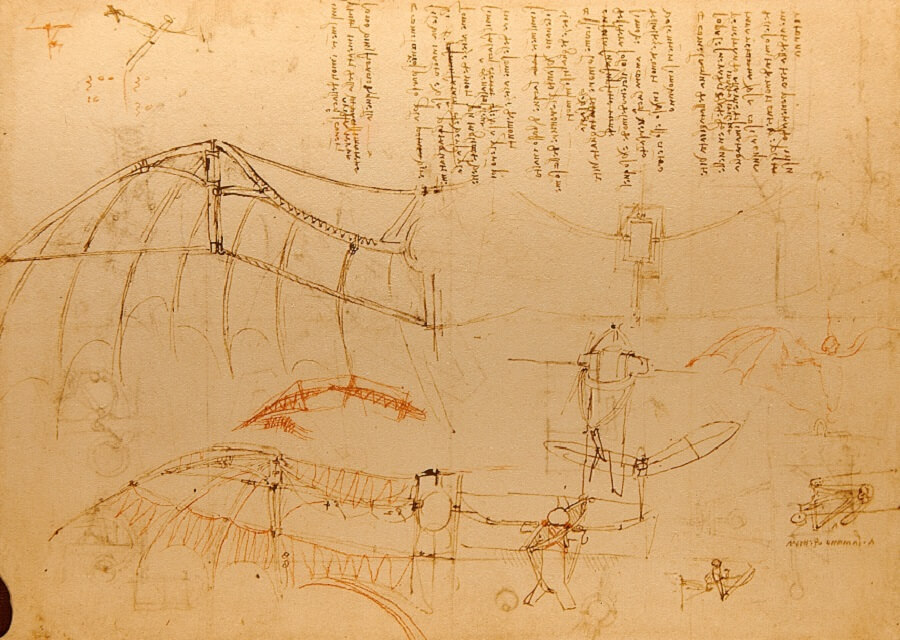
During the Renaissance, note-taking became more widespread, and people started using notebooks to record their thoughts and ideas. Leonardo da Vinci, the famous Italian artist, and inventor, was known for his extensive note-taking, which included drawings, observations, and ideas for inventions.
In the seventeenth and eighteenth centuries, the Scientific Revolution led to an explosion of knowledge and new ideas. Scientists and scholars began to use note-taking as a way of organizing and preserving their observations and ideas. This led to the development of scientific notebooks, which included detailed descriptions of experiments, observations, and analysis.
The Modern Era

In the nineteenth century, the development of paper mills made paper more affordable and widely available. This led to an increase in the use of notebooks and ledgers, which were used for keeping financial records and personal notes.
During the twentieth century, advancements in technology revolutionized note-taking. The invention of the typewriter made it easier to take notes quickly and legibly. The advent of personal computers and word processing software further revolutionized note-taking, allowing for easy editing and organization of notes.
The Digital Age of Note-Taking
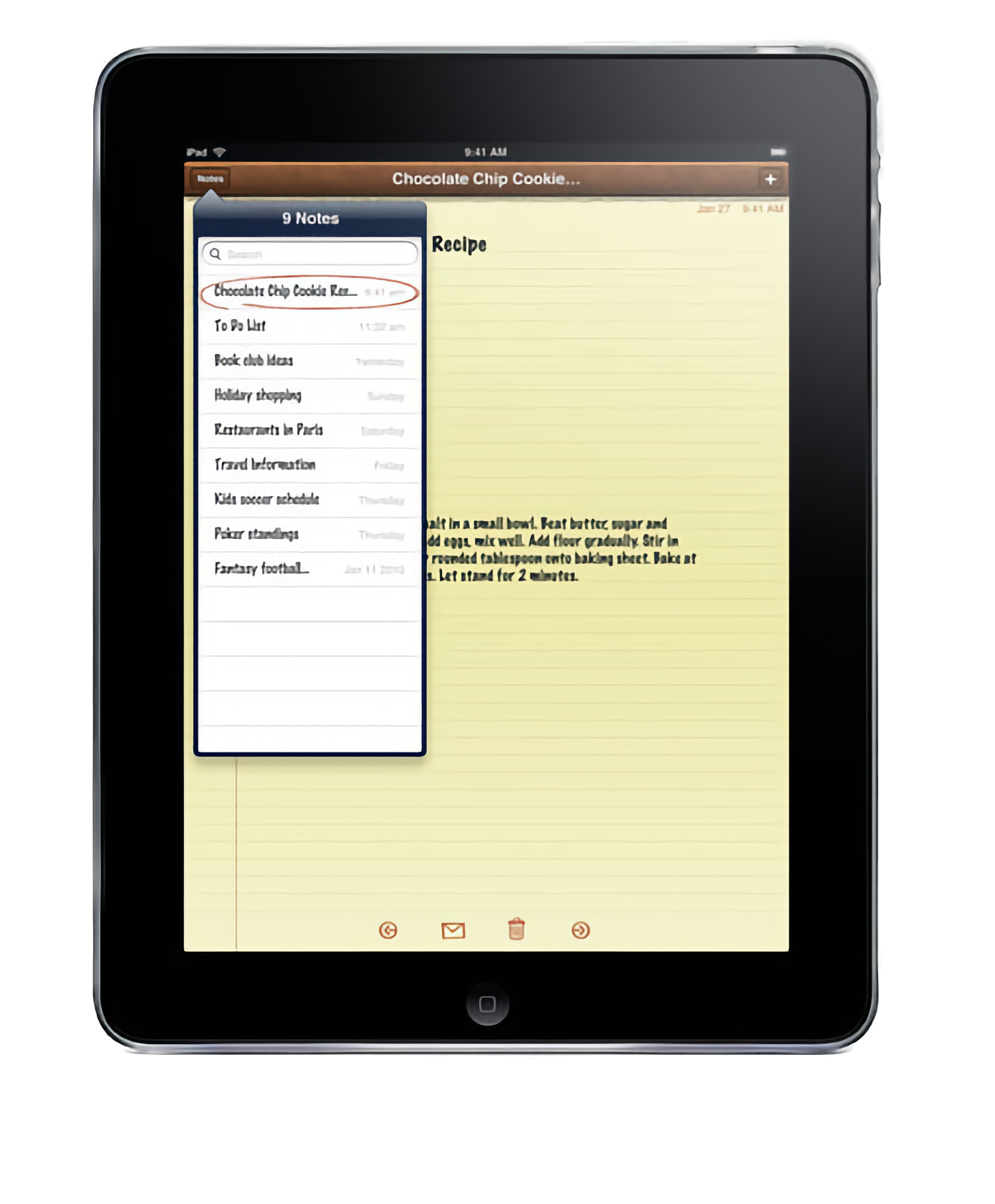
Today, we are in the digital age, and note-taking has become easier than ever before. With the development of smartphones, tablets, and laptops, people can take notes anywhere and at any time. A wide range of note-taking apps and software programs are available, including Evernote, Microsoft OneNote, and Google Keep, which allow for easy organization, tagging, and sharing of notes.
The use of voice-to-text technology and digital assistants like Siri and Alexa has also made it possible to take notes hands-free, making note-taking more accessible and efficient than ever before.
Conclusion
Note-taking has come a long way since its early beginnings, and it continues to be a critical aspect of human knowledge management. It has evolved from wax tablets to digital notes, with each technological advancement making it easier and more efficient. As we move further into the digital age, note-taking will continue to evolve, and we can expect even more advanced note-taking tools and technologies to be developed.
© NeatNotes 2026